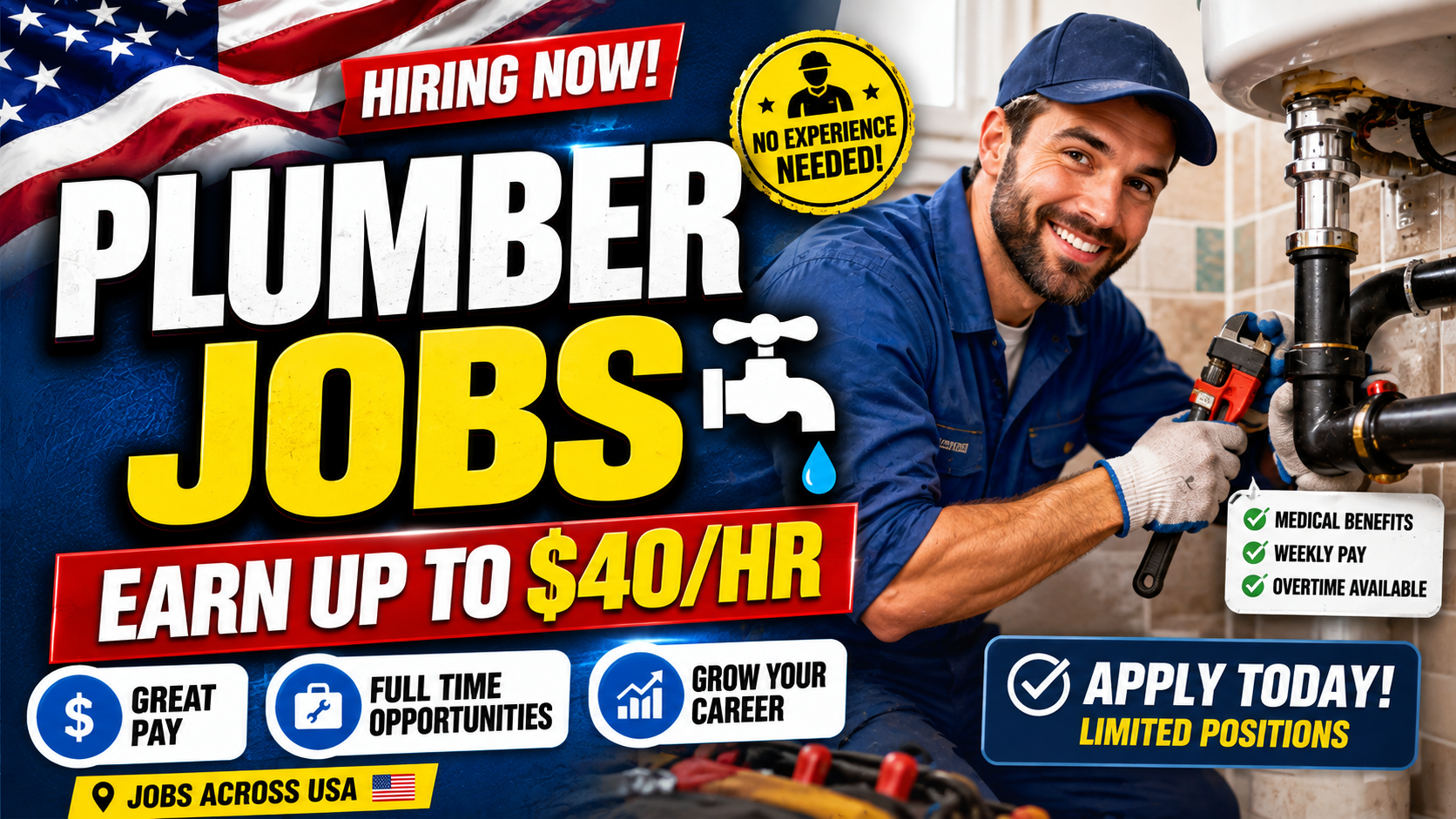
Plumbing is one of the most essential skilled trades in the world. Every home, office, factory, and commercial building depends on properly installed and maintained plumbing systems. As construction continues to grow, the demand for qualified plumbers remains strong, making plumbing an excellent career choice for those seeking stable employment and good earning potential.
What Does a Plumber Do?
A plumber installs, repairs, and maintains water supply systems, drainage systems, pipes, fixtures, water heaters, and other plumbing equipment. Their work includes:
- Installing water supply and drainage pipes
- Repairing leaks and burst pipes
- Unclogging drains and sewer lines
- Installing sinks, toilets, bathtubs, and showers
- Repairing and replacing water heaters
- Reading blueprints and technical drawings
- Performing routine maintenance on plumbing systems
Types of Plumber Jobs
Residential Plumber
Residential plumbers work in homes and apartments, handling repairs, installations, and maintenance for homeowners.
Commercial Plumber
Commercial plumbers work in office buildings, shopping centers, schools, hospitals, and other large facilities.
Industrial Plumber
Industrial plumbers maintain complex plumbing systems in factories, manufacturing plants, and industrial facilities.
Maintenance Plumber
Maintenance plumbers inspect and repair plumbing systems to prevent major issues before they occur.
Emergency Plumber
Emergency plumbers respond to urgent situations such as burst pipes, severe leaks, and blocked drains.
Skills Required
Successful plumbers possess a combination of technical knowledge and practical skills, including:
- Pipe installation and repair
- Problem-solving abilities
- Physical stamina
- Attention to detail
- Communication skills
- Customer service
- Time management
- Knowledge of plumbing codes and safety regulations
Educational Requirements
Most plumber jobs require:
- High school diploma or equivalent
- Plumbing apprenticeship or vocational training
- On-the-job experience
- Professional licensing (where required)
- Safety certification (preferred)
Salary Expectations
Plumber salaries vary depending on experience, location, and specialization.
- Entry-Level Plumber: Good starting wages with opportunities for growth.
- Experienced Plumber: Higher earnings due to advanced skills.
- Master Plumber: Premium income potential and leadership opportunities.
- Self-Employed Plumber: Income depends on client base and business success.
Job Opportunities
Plumbers can find employment in:
- Construction companies
- Plumbing contractors
- Government departments
- Maintenance companies
- Real estate firms
- Hotels and resorts
- Hospitals
- Schools and universities
- Industrial facilities
- Self-owned plumbing businesses
Benefits of Becoming a Plumber
Choosing a plumbing career offers several advantages:
- High demand for skilled workers
- Competitive salaries
- Job security
- Opportunities for overtime
- Career advancement
- Self-employment opportunities
- Practical and rewarding work
How to Start a Plumbing Career
- Complete your basic education.
- Enroll in a plumbing training program or apprenticeship.
- Gain hands-on experience.
- Obtain any required certifications or licenses.
- Apply for entry-level plumber jobs.
- Continue learning new plumbing technologies and safety standards.
Tips for Landing a Plumber Job
- Build practical experience through apprenticeships.
- Create a professional resume highlighting your skills.
- Earn relevant certifications.
- Develop strong customer service skills.
- Stay updated with modern plumbing tools and techniques.
- Network with local contractors and plumbing companies.
Conclusion
Plumbing is a reliable and rewarding career with excellent long-term prospects. Whether you want to work for a company or start your own plumbing business, the industry offers steady demand, competitive pay, and opportunities for professional growth. With t