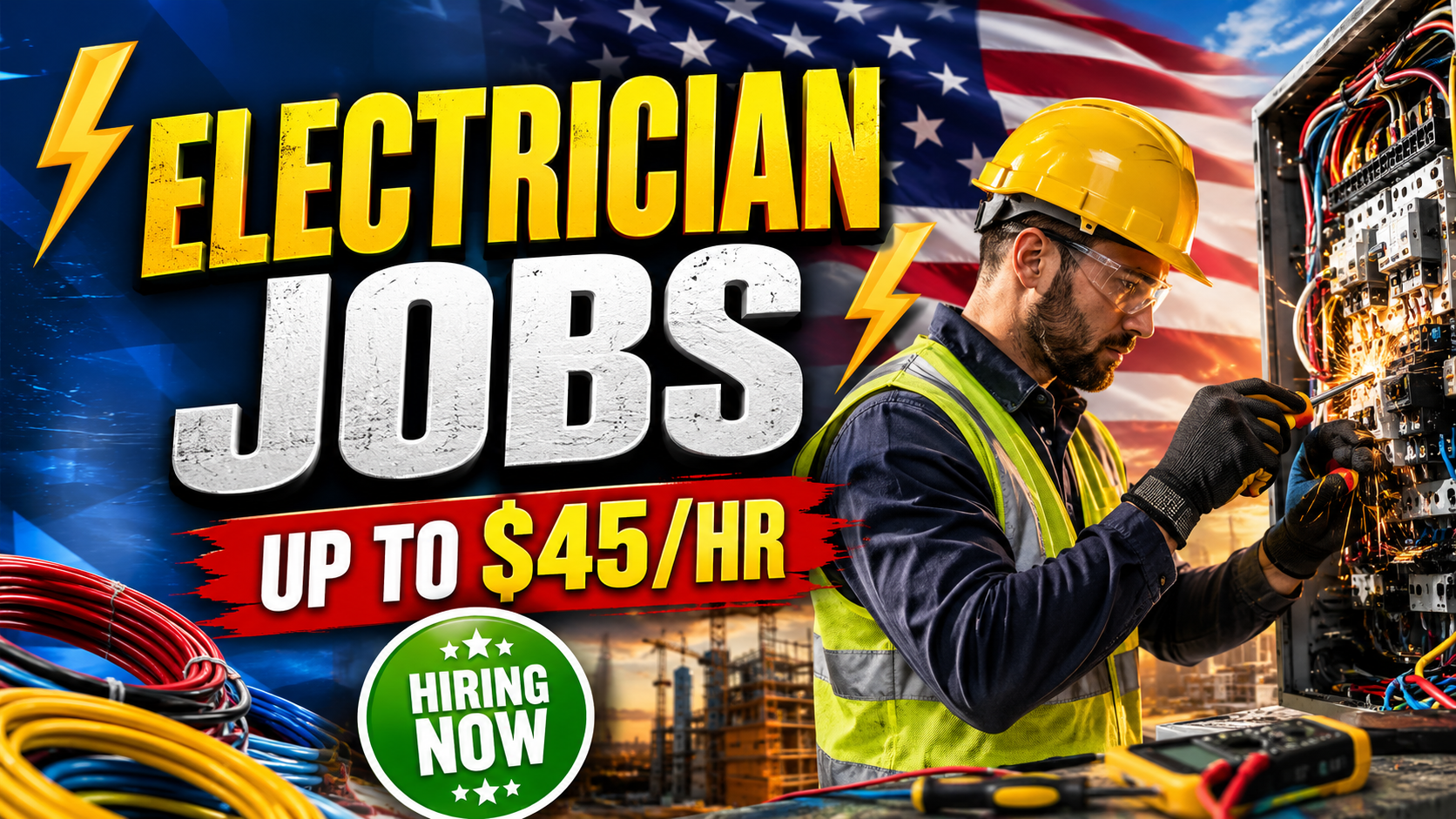
Electrician jobs continue to be among the most stable and rewarding skilled trades worldwide. As homes, businesses, factories, and renewable energy projects expand, the demand for qualified electricians is increasing every year. Whether you are just starting your career or looking for better opportunities, becoming an electrician offers excellent job security, competitive salaries, and opportunities for career growth.
What Does an Electrician Do?
An electrician installs, repairs, and maintains electrical systems in residential, commercial, and industrial buildings. Their responsibilities include:
- Installing electrical wiring and circuits
- Reading electrical blueprints and diagrams
- Troubleshooting electrical problems
- Repairing electrical equipment
- Installing lighting systems
- Maintaining electrical panels
- Following electrical safety standards
- Testing electrical components
Electricians work on everything from small home repairs to large industrial projects.
Types of Electrician Jobs
Residential Electrician
Residential electricians work in homes and apartments. Their tasks include installing wiring, ceiling fans, lighting fixtures, outlets, and electrical panels.
Commercial Electrician
Commercial electricians handle offices, shopping centers, schools, hotels, and hospitals. They install and maintain larger electrical systems.
Industrial Electrician
Industrial electricians work in factories and manufacturing plants, maintaining heavy machinery, motors, and automated production equipment.
Maintenance Electrician
Maintenance electricians inspect and repair electrical systems to ensure equipment operates safely and efficiently.
Solar Electrician
With the rise of renewable energy, solar electricians install and maintain solar power systems for homes and businesses.
Skills Required for Electrician Jobs
Successful electricians possess a combination of technical knowledge and practical skills, including:
- Electrical troubleshooting
- Wiring installation
- Blueprint reading
- Safety awareness
- Problem-solving
- Time management
- Communication skills
- Attention to detail
- Physical fitness
- Basic computer knowledge
Educational Requirements
Most electrician jobs require:
- High school diploma or equivalent
- Electrical trade school certificate (optional but recommended)
- Apprenticeship training
- Electrical license (depending on local regulations)
- Safety certifications
Many employers prefer candidates with hands-on experience through apprenticeships.
Electrician Salary
Electrician salaries vary depending on experience, specialization, and location.
Typical factors affecting salary include:
- Years of experience
- Industry
- Certifications
- Overtime availability
- Geographic location
- Employer size
Experienced electricians and industrial specialists generally earn higher wages than entry-level workers.
Where Electricians Work
Electricians are employed in various industries, including:
- Construction companies
- Manufacturing plants
- Government departments
- Electrical contractors
- Maintenance companies
- Renewable energy companies
- Mining operations
- Railway and transportation sectors
- Oil and gas industries
Some electricians also operate their own businesses.
Career Growth
Electricians have several career advancement opportunities:
- Senior Electrician
- Electrical Supervisor
- Site Engineer
- Maintenance Manager
- Electrical Inspector
- Project Manager
- Electrical Contractor
- Business Owner
Additional certifications can help professionals move into higher-paying leadership roles.
Benefits of Becoming an Electrician
Choosing an electrician career offers many advantages:
- Strong job demand
- Good earning potential
- Practical, hands-on work
- Career stability
- Opportunities for self-employment
- Flexible work environments
- Continuous learning
- Global employment opportunities
Tips for Getting Electrician Jobs
To improve your chances of finding electrician jobs:
- Build practical experience through apprenticeships.
- Obtain recognized certifications.
- Prepare a professional resume.
- Keep your technical skills updated.
- Learn workplace safety standards.
- Network with contractors and employers.
- Apply through reputable job portals.
- Practice interview questions before interviews.
Future Outlook
The future for electrician jobs looks promising as countries continue investing in infrastructure, smart homes, electric vehicles, and renewable energy. Skilled electricians will remain essential for installing and maintaining modern electrical systems.
Professionals who continue learning new technologies such as solar energy, automation, and electric vehicle charging systems will enjoy even greater career opportunities.
Final Thoughts
Electrician jobs offer a rewarding career with excellent job security, competitive salaries, and numerous opportunities for advancement. Whether you choose residential, commercial, industrial, or renewable energy work, the electrical trade provides a reliable path toward long-term professional success. By gaining the right skills, certifications, and practical experience, you can build a successful career in this growing industry.